
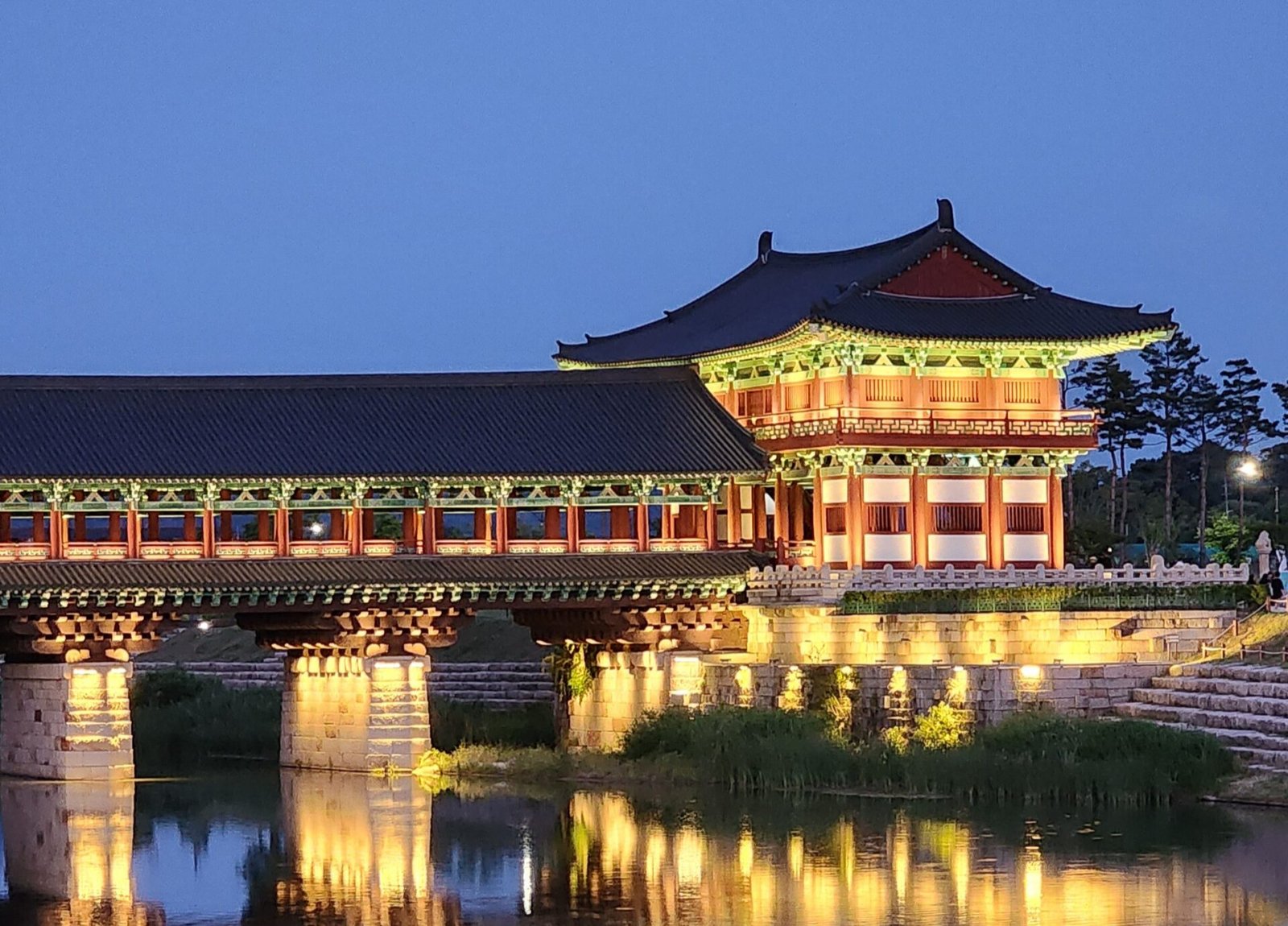
I enjoyed Gyeongju a lot more than I thought I would. It started off as a random destination I picked on Google maps to being one of my favourite places in Korea. It is literally a museum without walls, consisting of unique royal lumps (ancient tombs), a Silla Dynasty bridge with night illuminations reflecting on the water, SNACKS, and more!
If you’re looking to get a breath of fresh air where you don’t feel rushed, while enjoying the view, Gyeongju is the place to be!
What To Do In Gyeongju?
Hwangnidan-gil
This is a cute and aesthetic street filled with snacks, restaurants, unique shops, and cafes. You must try jjondeugi (쫀드기)!! It looks like sweet potato fries with an extremely chewy textures accompanied by sweet and spicy powder over it. I was OBSESSED…and literally bought a 5 pack to send home. I still think of it omg it makes me god crazy.
10/10 – I loved all the snacks here!
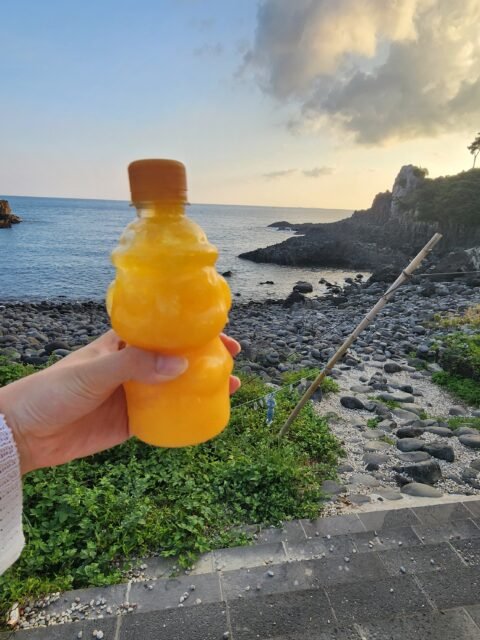
Rachel’s recommendation: orange french fry looking check snack by Chap Chap
Woljeonggyo Bridge
The bridge is enchanting. At night, it’s illuminated and reflected on the still water creating a tranquil and magical experience. Woljeonggyo bridge is a wooden bridge spanning 66.15 meters that was built during the Unified Silla period, burnt down, and rebuilt.
There were significantly less people here compared to Donggung Palace and Wolji pond, but personally Woljeonggyo bridge had a better view, sunset, and vibe. I’d recommend going their first while exploring Gyochon traditional village that’s nearby.
11/10 – I did not expect to enjoy looking at a bridge so much. But the atmosphere, sunset, lights, and water genuinely was breathtaking.
Pro tip: Bring bug spray!!!!
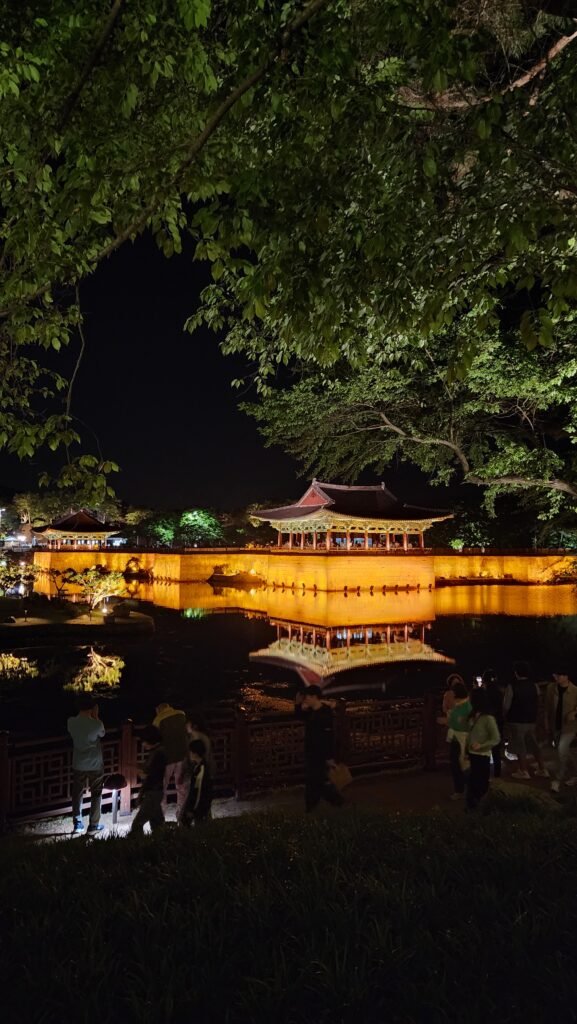
Donggung Palace and Wolji Pond
Donggung Palace is a pavilion that was used as a secondary residence for the crown prince in the Silla Dynasty. Surrounding it is Woji pond, designed to reflect the moon and stars. “Wolji” also means “a pond that reflects the moon“, both poetic and tranquil.
During the night, the palace is beautifully illuminated which is reflected in the pond.
Personally, I’d spend a longer time at Woljeonggyo bridge first because there’s less people and the view is better, however, you can definitely visit both on the same day.
7/10 – a bit over crowded, pretty but I’d definitely visit because it’s nearby
Daereungwon Tomb Complex and Gyeongju Historic Area
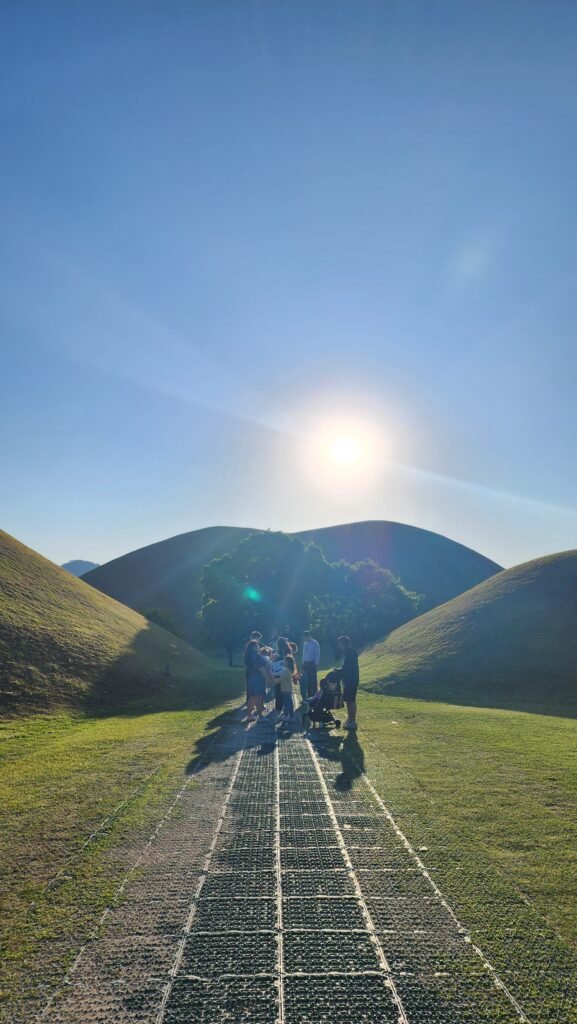
Home to 23 ancient tombs of the Sillia dynasty, you’ll find a park with things I call as “royal lumps”, a UNESCO world heritage site in Korea. Scattered across a park you can walk around to appreciate and admire the history. To see what’s located inside the tombs by go to Daereungwon tomb complex and bring a sketchbook or journal, or simply enjoy a tranquil stroll here.
8/10 – Very relaxing area to walk around!
Pro tip: Do not step on the mounds or else you’ll be fined
Cheomseongdae Observatory
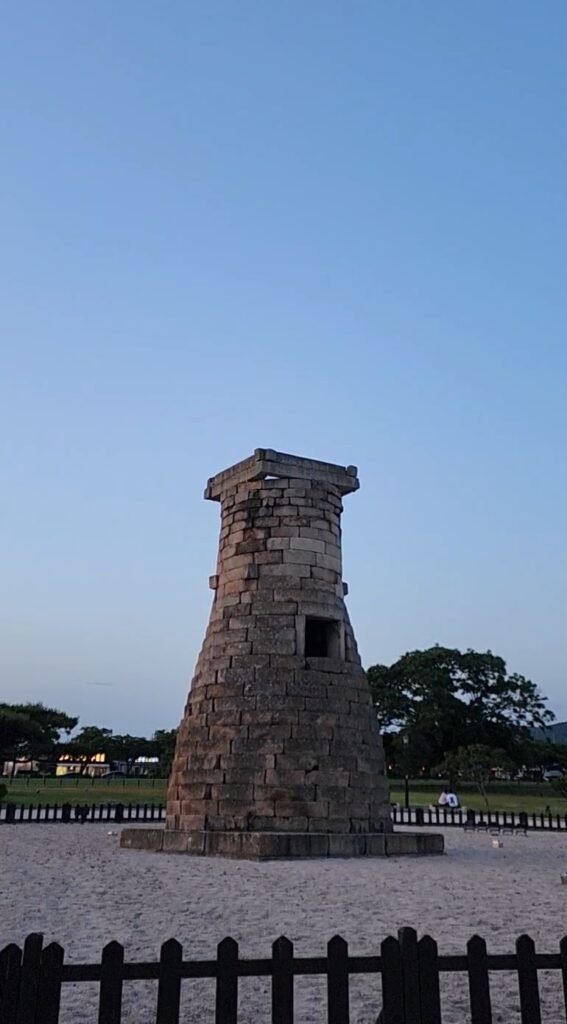
This national treasure is a 9 meters tall stone observatory built during the Silla Dynasty (r. 632-647) for observation of the “movements of heavenly bodies”. Astronomy and horoscope were highly important during the ancient period as it predicted the fortune of the nation.
It definitely holds cultural significance, but it’s just one single stone observatory. Not wowing but important to Korean history. During the night it’s illuminated and stands out in the field of darkness. If you’re coming to Gyeongju, 100% still visit, but I recommend walking around the park to see the flowers before it’s dark because not all paths are lit up!
8/10 – The observatory is an impressive sight back in the day, however, the surrounding area is even better. You’ll see many flowers and couples having picnics.
Hwangnidan-gil
This is a cute and aesthetic street filled with snacks, restaurants, unique shops, and cafes. You must try jjondeugi (쫀드기)!! It looks like sweet potato fries with an extremely chewy textures accompanied by sweet and spicy powder over it. I was OBSESSED…and literally bought a 5 pack to send home. I still think of it omg it makes me god crazy.
10/10 – I loved all the snacks here!
Rachel’s recommendation: orange french fry looking check snack by Chap Chap
Woljeonggyo Bridge
The bridge is enchanting. At night, it’s illuminated and reflected on the still water creating a tranquil and magical experience. Woljeonggyo bridge is a wooden bridge spanning 66.15 meters that was built during the Unified Silla period, burnt down, and rebuilt.
There were significantly less people here compared to Donggung Palace and Wolji pond, but personally Woljeonggyo bridge had a better view, sunset, and vibe. I’d recommend going their first while exploring Gyochon traditional village that’s nearby.
11/10 – I did not expect to enjoy looking at a bridge so much. But the atmosphere, sunset, lights, and water genuinely was breathtaking.
Pro tip: Bring bug spray!!!!
Donggung Palace and Wolji Pond
Donggung Palace is a pavilion that was used as a secondary residence for the crown prince in the Silla Dynasty. Surrounding it is Woji pond, designed to reflect the moon and stars. “Wolji” also means “a pond that reflects the moon“, both poetic and tranquil.
During the night, the palace is beautifully illuminated which is reflected in the pond.
Personally, I’d spend a longer time at Woljeonggyo bridge first because there’s less people and the view is better, however, you can definitely visit both on the same day.
7/10 – a bit over crowded, pretty but I’d definitely visit because it’s nearby
Daereungwon Tomb Complex and Gyeongju Historic Area
Home to 23 ancient tombs of the Sillia dynasty, you’ll find a park with things I call as “royal lumps”, a UNESCO world heritage site in Korea. Scattered across a park you can walk around to appreciate and admire the history. To see what’s located inside the tombs by go to Daereungwon tomb complex and bring a sketchbook or journal, or simply enjoy a tranquil stroll here.
8/10 – Very relaxing area to walk around!
Pro tip: Do not step on the mounds or else you’ll be fined
Cheomseongdae Observatory
This national treasure is a 9 meters tall stone observatory built during the Silla Dynasty (r. 632-647) for observation of the “movements of heavenly bodies”. Astronomy and horoscope were highly important during the ancient period as it predicted the fortune of the nation.
It definitely holds cultural significance, but it’s just one single stone observatory. Not wowing but important to Korean history. During the night it’s illuminated and stands out in the field of darkness. If you’re coming to Gyeongju, 100% still visit, but I recommend walking around the park to see the flowers before it’s dark because not all paths are lit up!
8/10 – The observatory is an impressive sight back in the day, however, the surrounding area is even better. You’ll see many flowers and couples having picnics.
Gyeongju Gyochon Traditional Village
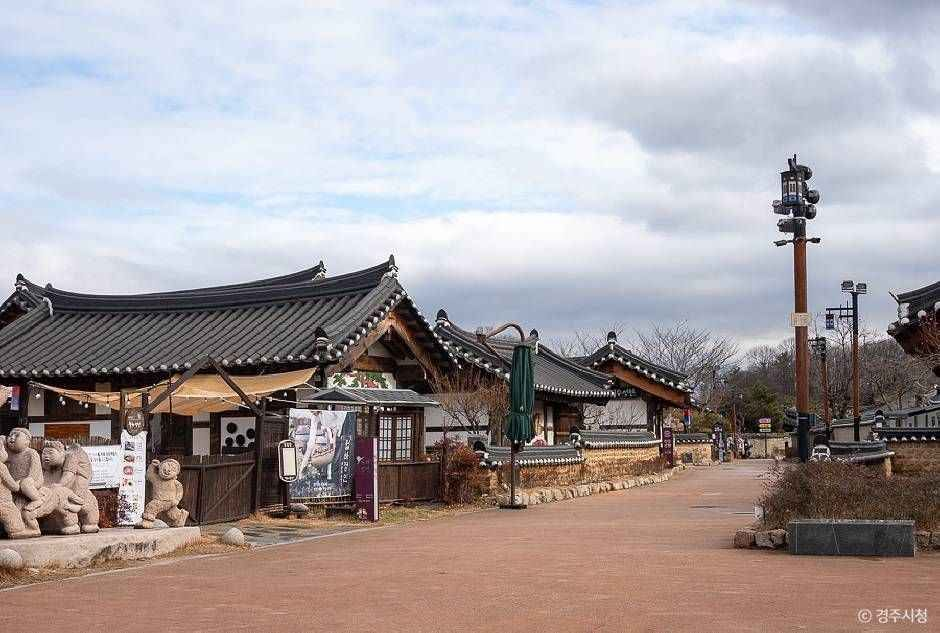
Known as the home of the influential Choi Clan, the village is a living museum where residents maintain traditional practices and crafts, ensuring the continuity of Korea’s cultural heritage. Highlights include the Gyeongju Gyodong Beopju Brewery, where visitors can sample 300-year-old traditional rice wine, and hands-on workshops for crafts like hanji (traditional paper-making), pottery, hanbok rentals, traditional tea houses, and seasonal festivals.
Bulguksa Temple
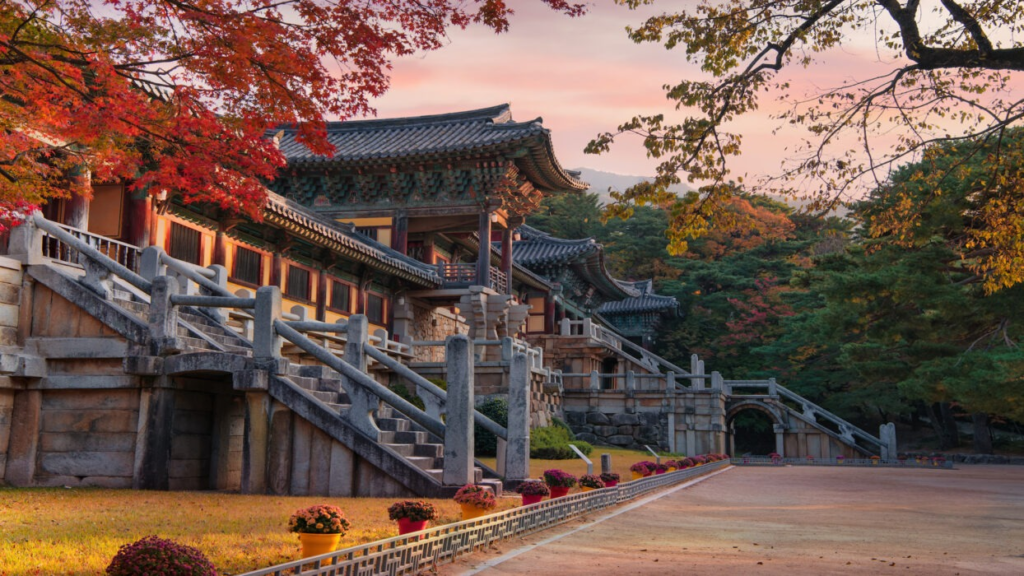
One of the most iconic and historically significant Buddhist temples in the country, dating back to the 8th century during the Silla Dynasty, which is a UNESCO Word Heritage Site. The temple was built under the patronage of King Gyeongdeok and designed by Prime Minister Kim Daeseong to embody the Buddhist ideal of creating a paradise on earth.
Seokguram Grotto
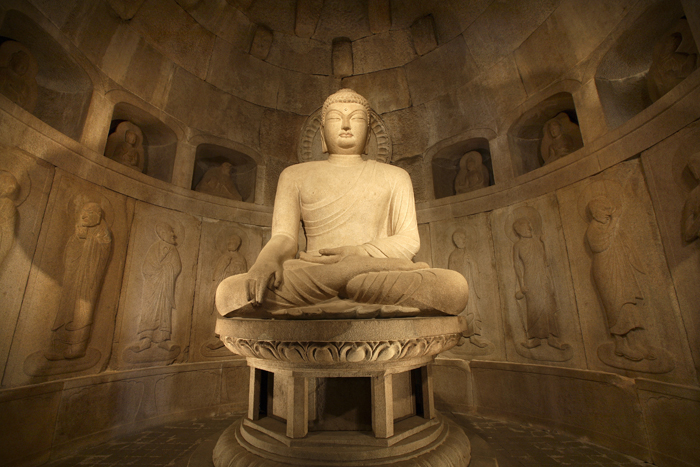
Also a UNESCO World Heritage Site located on the slopes of Mount Toham near Gyeongju, is a masterpiece of Buddhist art and architecture from the 8th century Silla Dynasty. This serene stone sanctuary houses a majestic granite statue of the Buddha seated in a serene posture, surrounded by intricate carvings of bodhisattvas, arhats, and guardian deities, all meticulously designed to represent the spiritual journey toward enlightenment.
How Many Days To Stay In Gyeongju?
2 – 3 nights is good enough. You need at least 1 night to visit all the nightly illuminations and 1 day to see the tombs, and snack streets. The 2nd and 3rd day can be to visit further attractions if you want.
I spent 2 nights in Gyeongju, but can you believe me and my friend LOST HALF THE DAY TO SLEEP because we took a nap and woke up at 4 PM!! WE SLEPT HALF THE DAY!! But don’t worry, we were not rushed at all just visited the night illuminations and food street.
Where To Stay In Gyeongju?
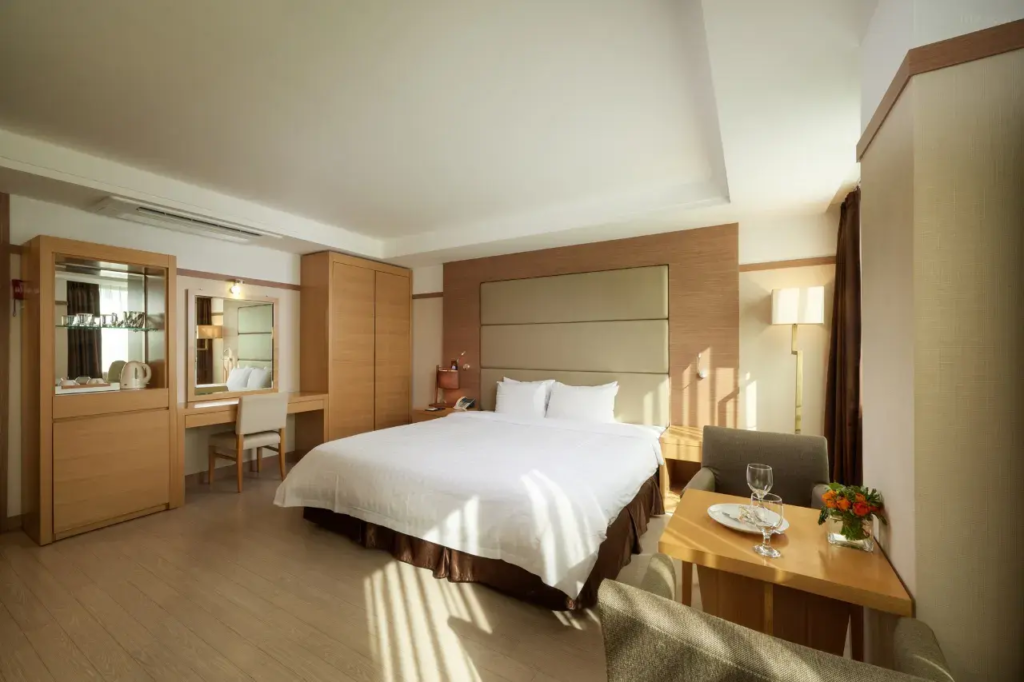
Hwangnidan-gil Street (500m)
Daereungwon Tomb Complex (570m)
Cheomseongdae Observatory (1.4 km)
Jungang night market (640m)
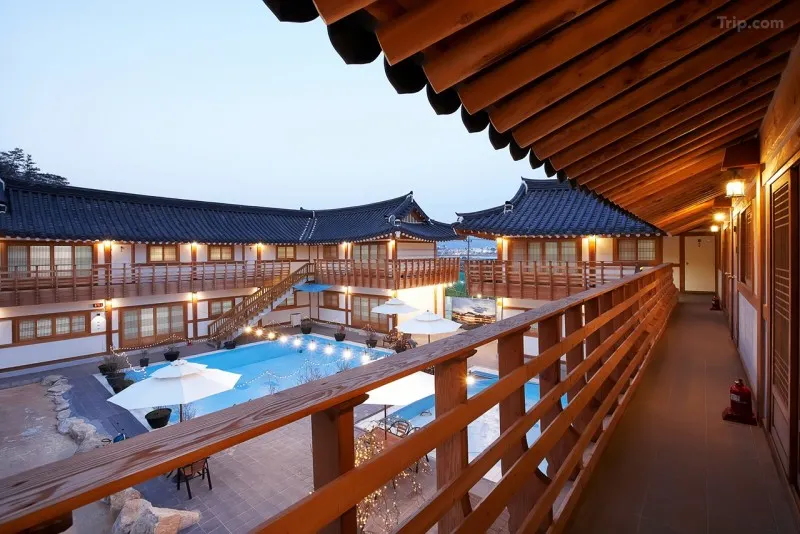
Tomb of King Heonan of Silla (870m)
Tomb of King Muyeol of Silla (910m)
Jungang Market (1.8 km)
Daereungwon Tomb Complex (1.8 km)
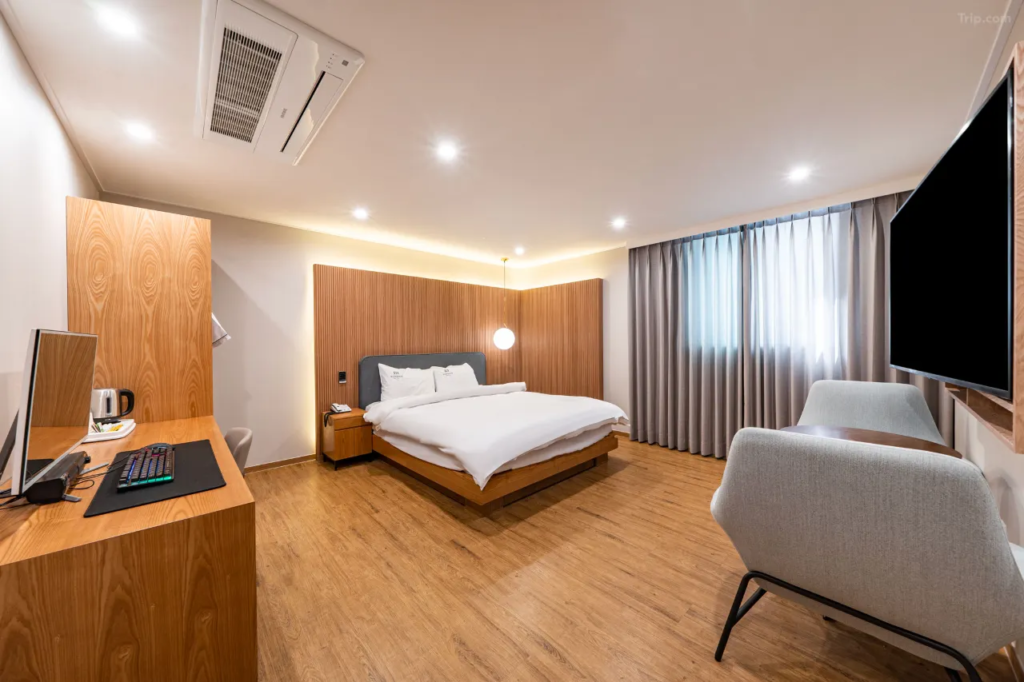
Train: Gyeongjuyeog (1.7 km)
Hwangnidan-gil Street (660m)
Daereungwon Tomb Complex (720m)
Jungang night market (560m)
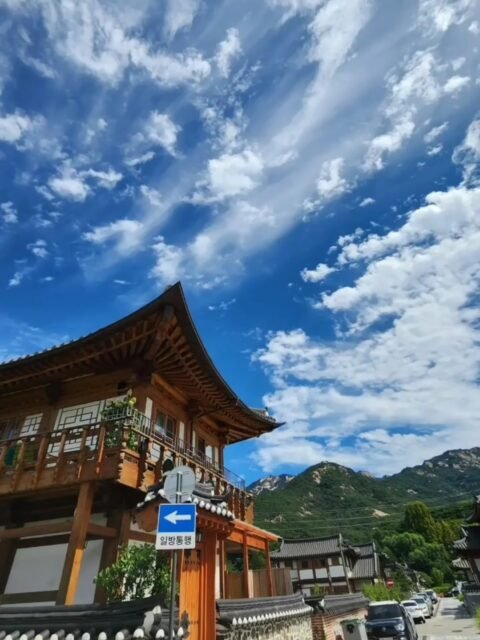
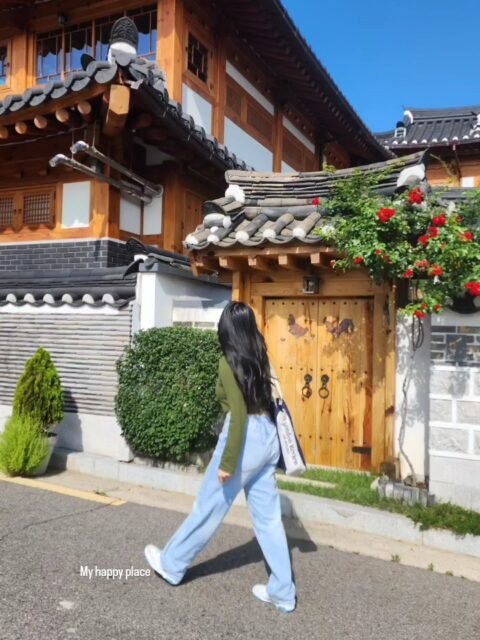
When I was there, we lived in a Hanok Airbnb, which was a traditional Korean house. It was a super nice and different! We had to enter with slippers and sleep on futons in this small room near the Hwangnidan-gil Street. I highly recommend living in a hanok if that’s your vibe!
Check Trip.com for more deals!!!
Is It Worth Visiting Gyeongju?
Above my expectations and extremely restful! If you want a break from the fast paced, shopping, malls, city feel, I think it’d be worth it. In Gyeongju, you’ll be site-seeing and doing everything at a much slower pace even if you’re there for 2 days, nothing feels rushed. The area is gorgeous, lots of nature, and restful experience. For those who want an action packed day, then Gyeongju MIGHT feel like a bit too slow. Personally, 2 days is just perfect for me and I’d definitely go again…I need the ChapChap snacks!
i want to try jjondeugi